Facebook Audience Insights has changed substantially. The old standalone research tool shown in many tutorials no longer reflects how Meta’s advertising system works. Advertisers can still research audiences, inspect demographic information and build reusable audience groups, but those tasks are now divided between Meta Business Suite, Meta Ads Manager, the Audiences tool and campaign-level Advantage+ Audience settings.
That distinction matters. Audience research can help you understand who follows or engages with a business, but modern Meta advertising is less about constructing an extremely narrow list of interests and more about giving Meta reliable conversion signals, sensible audience boundaries and strong creative.
This guide explains how to use the current Facebook and Instagram audience tools, create audiences for Meta Ads and turn audience data into practical campaign decisions.
What Happened to the Old Facebook Audience Insights Tool?
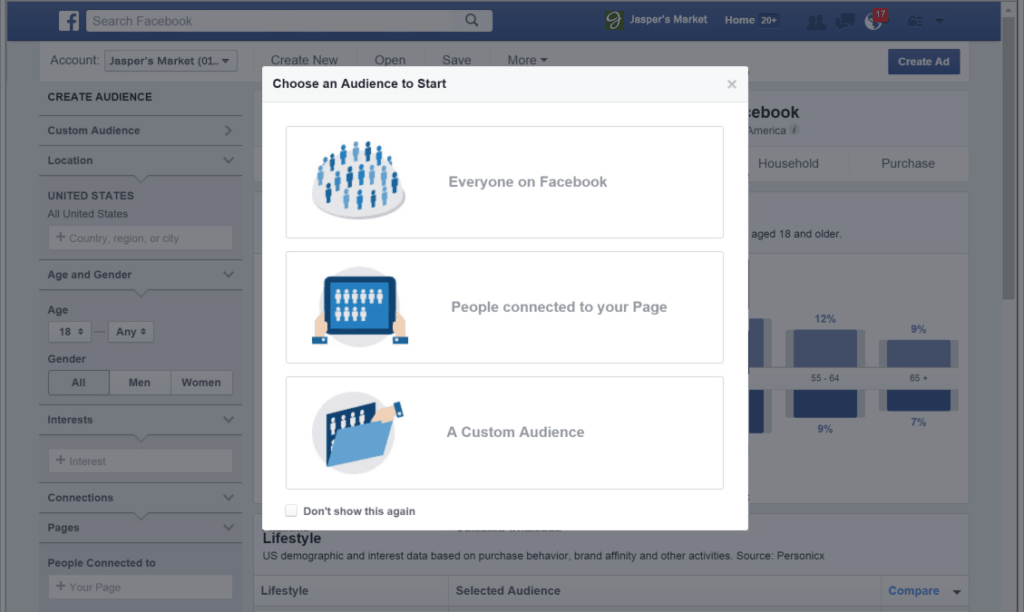
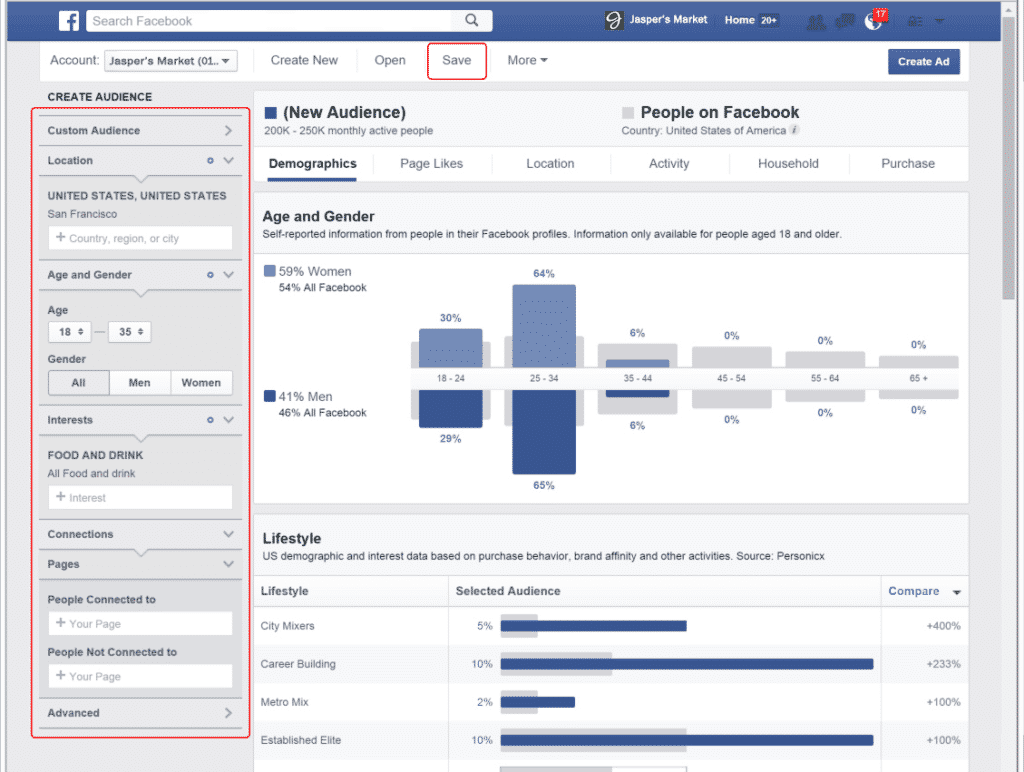
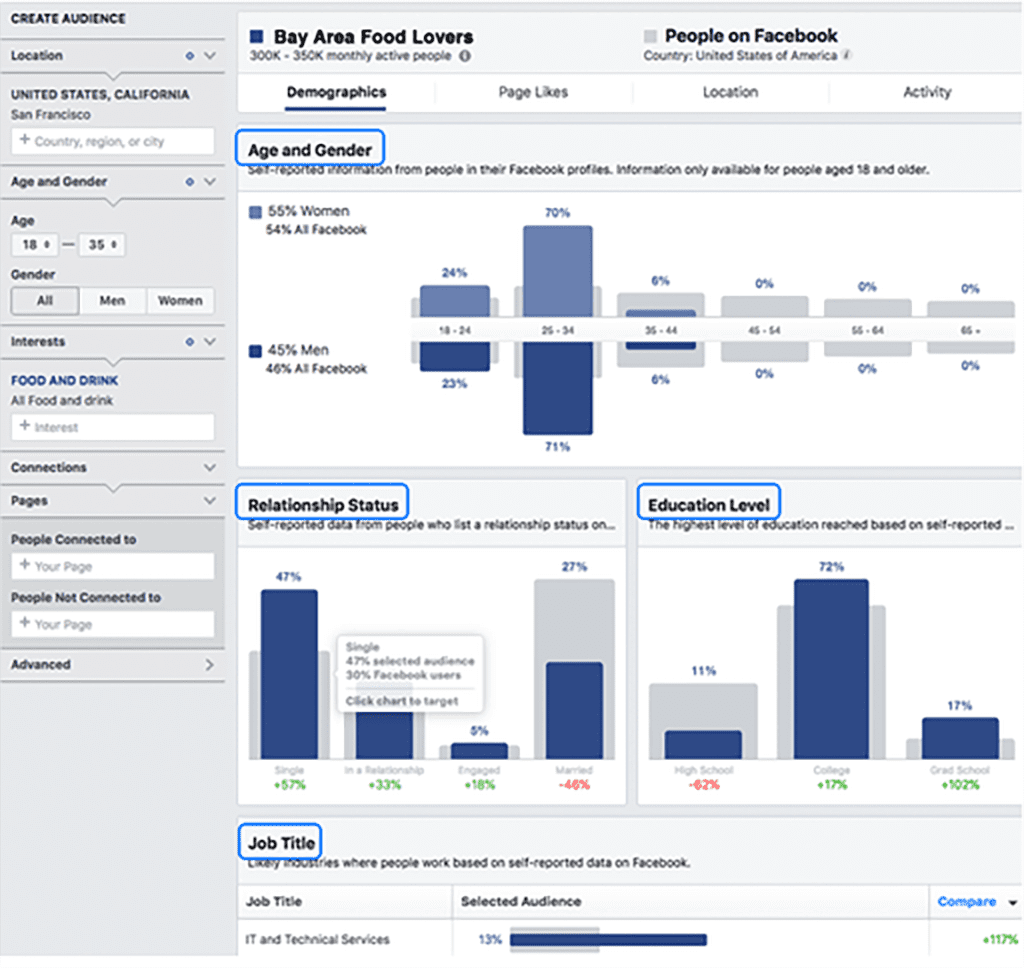
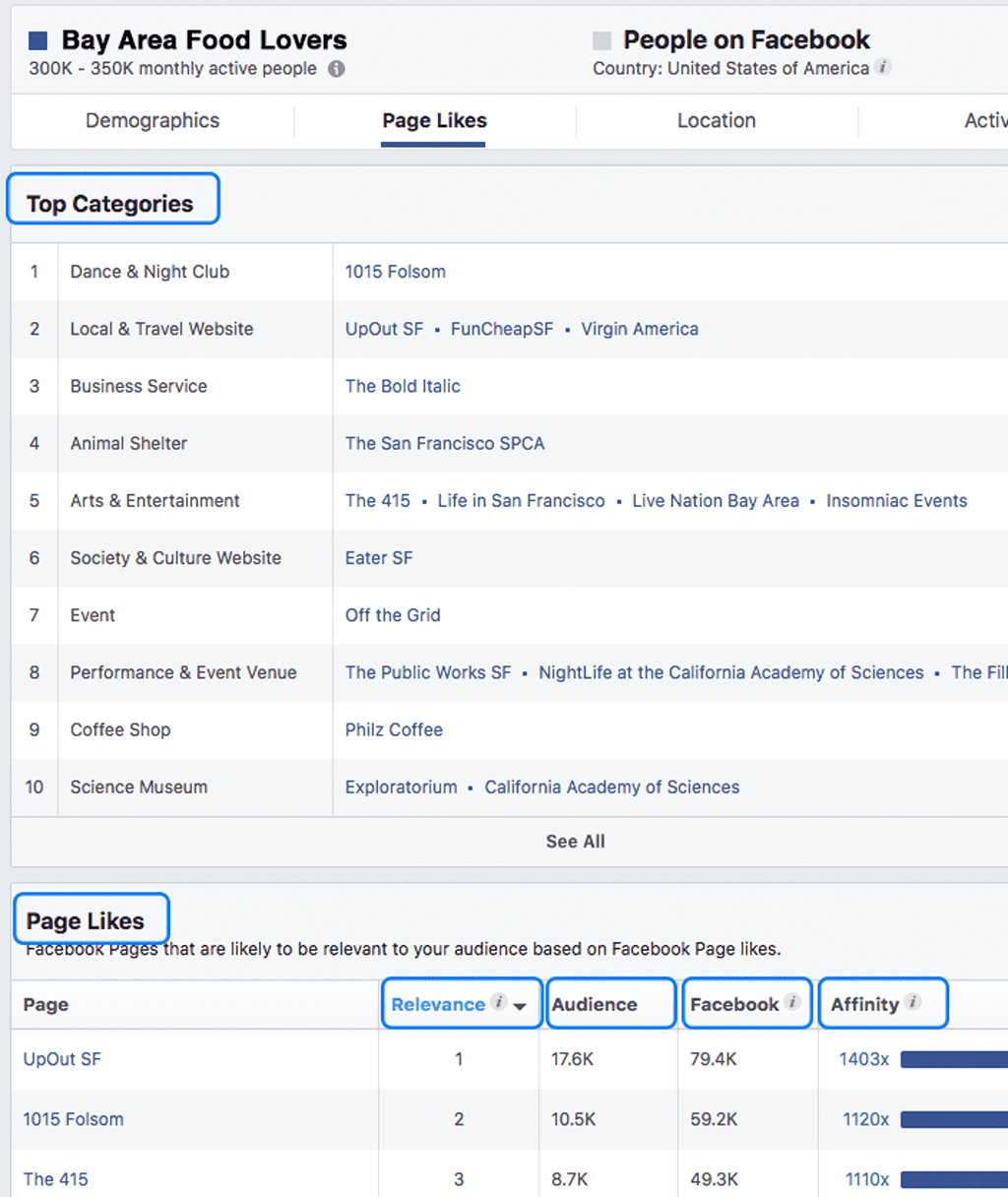
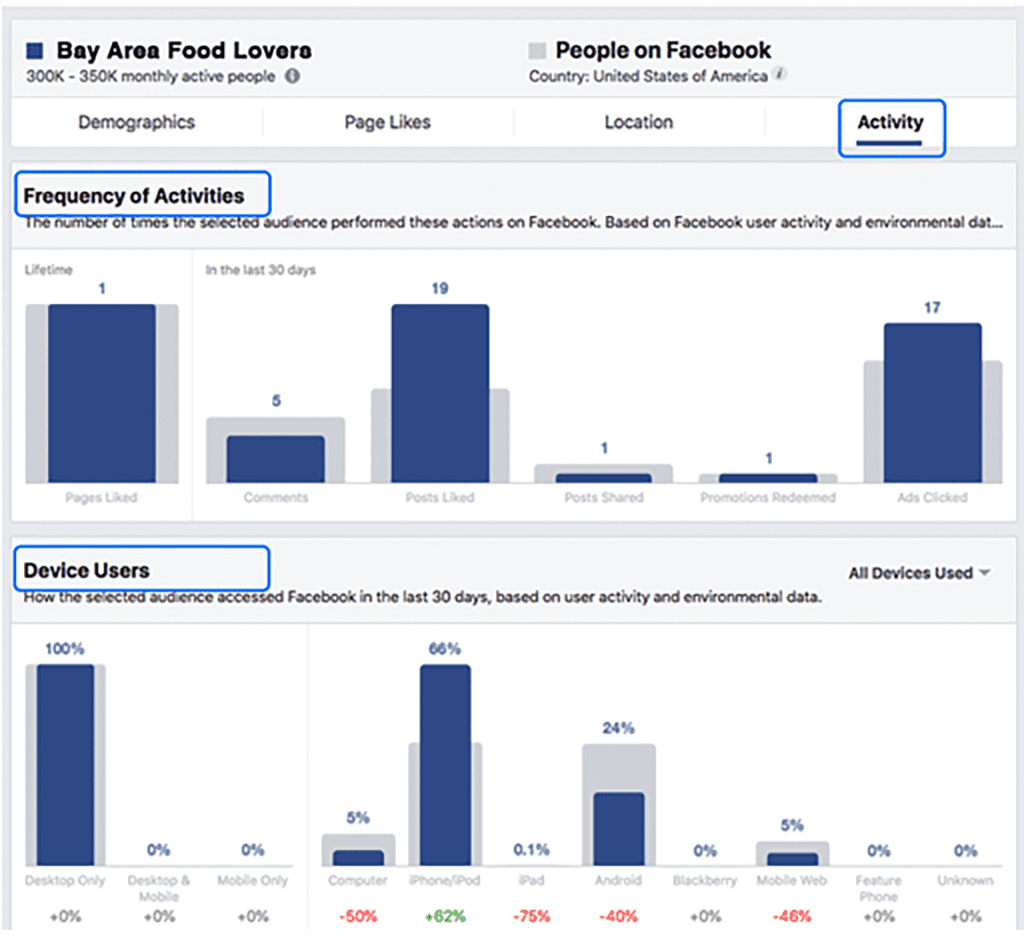
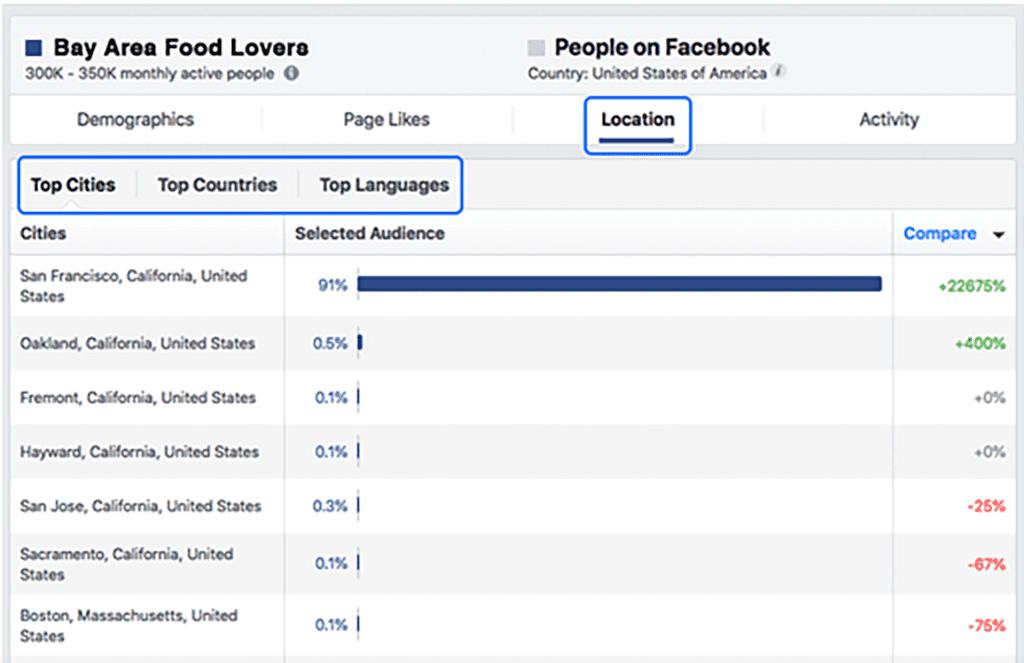
The original Facebook Audience Insights interface allowed advertisers to select everyone on Facebook, people connected to a Page or a Custom Audience, then compare demographic information, Page Likes, activity, household data and purchasing behaviour.
That exact workflow is obsolete. In particular:
The old Page Likes and affinity-style research screens should not be treated as a current targeting workflow.
Many former detailed targeting options have been consolidated or removed.
Third-party household, income, property and purchasing datasets are not universally available and should not be described as standard Facebook audience data.
Meta’s delivery system can now expand beyond several audience inputs when Advantage+ Audience is active.
Organic audience research, paid audience creation and advertising performance analysis now take place in different parts of Meta’s platform.
Meta still provides Facebook and Instagram audience insights in Meta Business Suite, including demographic information about an account’s audience. It also provides potential-audience research, audience creation in Ads Manager and delivery breakdowns for campaigns.
The important update is therefore not that Audience Insights has disappeared. It has been reorganised and its role in advertising has changed.
The Current Meta Audience Tools Explained
Several tools are now involved in what used to be treated as one Audience Insights process.
| Tool | Primary purpose | Best use |
|---|---|---|
| Meta Business Suite Insights | Understand Facebook and Instagram performance and audience characteristics | Organic audience research, content planning and high-level market observations |
| Potential audience in Business Suite | Explore the approximate audience associated with selected characteristics | Early market research and hypothesis development |
| Audiences in Meta Ads Manager | Create and manage Custom Audiences, Lookalike Audiences and saved audiences | Remarketing, customer targeting, exclusions and reusable targeting structures |
| Advantage+ Audience at ad-set level | Give Meta controls and audience suggestions for campaign delivery | Prospecting and conversion campaigns using Meta’s automated delivery system |
| Ads Manager reporting and breakdowns | Analyse who actually received and responded to adverts | Performance analysis by age, gender, placement, platform, geography and other available dimensions |
| Events Manager and CRM integrations | Supply website, app and offline outcome data | Measurement, Custom Audience creation and better optimisation signals |
If you are new to the wider platform structure, our Facebook Ads guide provides supporting articles on campaign setup, targeting, tracking and optimisation.
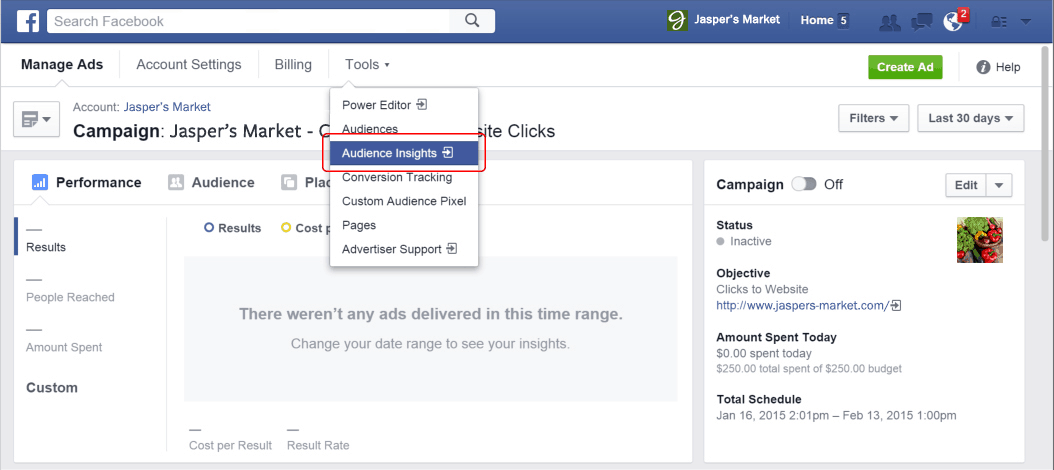
How to Access Audience Insights in Meta Business Suite
The labels and menu positions can vary by account, permissions and interface updates, but the standard desktop process is:
Open Meta Business Suite.
Select the relevant Facebook Page and connected Instagram account.
Choose Insights from the left-hand menu.
Open Audience.
Review the available current-audience or potential-audience information.
Meta also documents a mobile workflow in which you open Insights, select Audience and then choose Potential audience. If the Audience section is missing, check that you have selected the correct business asset, that the Facebook Page or Instagram account is connected and that your profile has adequate permissions.
Audience data may also be limited when an account has too little activity to provide a meaningful or privacy-safe breakdown. Do not assume a missing report indicates a technical fault.
Current Audience Versus Potential Audience
These two views answer different questions and should not be used interchangeably.
Current Audience
Current-audience insights help describe people who already follow, engage with or are otherwise connected to your Facebook and Instagram presence. Depending on the account and data available, this may include:
Age and gender distributions
Countries, cities or locations
Facebook and Instagram audience comparisons
Audience growth and engagement trends
Content and account performance information
This data is useful for understanding your existing social audience, but it is not necessarily a description of your ideal customer. A Page can accumulate followers from competitions, viral posts, previous business activity, staff, suppliers or locations the company no longer serves.
Compare audience insights with CRM customers, qualified leads, purchases and revenue before making major targeting decisions.
Potential Audience
Potential-audience research is intended to explore the number and characteristics of people who may meet selected criteria. It can help you assess whether a proposed audience is very broad, unusually restrictive or concentrated in particular demographic groups.
Treat the output as directional research, not a sales forecast. An estimated audience is not the number of people who will see an advert, click, enquire or purchase. Actual delivery depends on budget, bid strategy, optimisation event, competition, creative quality, placements and predicted response.
How to Turn Audience Insights into Useful Research
Audience tools are most valuable when used to answer a commercial question. Opening the report and noting that most followers are aged 35–44 rarely improves a campaign by itself.
Start with questions such as:
Does the current social audience resemble paying customers?
Are buyers concentrated in different locations from Page followers?
Does one age group produce more qualified leads despite generating fewer form submissions?
Do Instagram and Facebook attract different customer segments?
Which product, service or offer appeals to each segment?
Are there meaningful differences in customer lifetime value?
Is the audience large enough for Meta to learn without excessive fragmentation?
Which findings should influence creative rather than targeting?
For example, discovering that a high-value customer group is older than the average follower does not automatically mean excluding younger people. A better first test may be to create adverts that address the older group’s priorities while allowing Meta to find converters across a broader eligible audience.
Audience insight should generate hypotheses. Campaign and CRM results should decide whether those hypotheses are commercially useful.
How to Create and Manage Audiences in Meta Ads Manager
Meta’s dedicated Audiences area is separate from Business Suite audience research. To access it:
Open Meta Ads Manager.
Select All tools.
Choose Audiences.
Create or manage the audience type required.
Meta’s audience management guidance covers the current route. Depending on the account, campaign type and data source, you may see Custom Audiences, Lookalike Audiences and saved audiences.
You can also define an audience directly within an ad set. However, creating important first-party and exclusion audiences in the Audiences area makes them easier to name, inspect and reuse across campaigns.
The Main Types of Facebook Ads Audiences
Modern Meta targeting is easier to understand when audiences are grouped by purpose rather than by every available interface option.
Broad or Advantage+ Prospecting Audiences
A broad prospecting audience uses essential boundaries, such as the market you serve, while giving Meta more freedom to identify people likely to complete the selected optimisation event.
This approach can work well when:
Conversion tracking is accurate.
The campaign receives enough useful conversion data.
The offer has reasonably broad demand.
Creative clearly communicates who the product or service is for.
The selected event represents a real business outcome.
Broad targeting is not permission to ignore strategy. Poor tracking, generic creative and optimisation towards low-quality leads can simply help the system find more of the wrong outcome.
Interest and Demographic Audiences
Detailed targeting can use available demographics, interests and behaviours to suggest or define the people most relevant to an offer. Availability varies, and Meta continues to remove or consolidate some options.
Interest targeting remains useful for:
New accounts with limited first-party data
Niche offers with a clearly identifiable market
Testing a well-supported customer hypothesis
Developing different creative angles for different market segments
Comparing guided targeting with broader delivery
Avoid stacking so many conditions that the audience becomes artificially small. Also avoid assuming that targeting a competitor’s name is always possible. A Page, brand or job title may not be available as a selectable interest, and an available label may not mean what the advertiser expects.
Our broader guide to Facebook Ads targeting explains how core, Custom and Lookalike Audiences fit together.
Custom Audiences
A Custom Audience is built from a business’s own data or from engagement across Meta technologies. Meta describes Custom Audiences as suitable for retargeting, new-customer campaigns and reaching known groups.
Common sources can include:
Website visitors captured through the Meta Pixel or dataset
App activity
Customer or prospect lists
Facebook Page engagement
Instagram account engagement
Video viewers
Lead form engagement
Shopping or catalogue activity
People who interacted with events or other eligible Meta experiences
The exact sources and retention windows shown depend on the account and configuration.
Custom Audiences are especially useful for funnel segmentation. A service business might separate all website visitors, service-page visitors, form starters, submitted leads, qualified leads, sales opportunities, customers and disqualified enquiries. An ecommerce business might separate product viewers, basket users, purchasers, high-value customers and lapsed customers.
Always handle customer information lawfully and follow Meta’s Custom Audience terms. Uploading data to an advertising platform does not remove a business’s UK GDPR, privacy, consent or data-governance responsibilities.
Lookalike Audiences
A Lookalike Audience helps Meta find new people who share characteristics with a selected source audience. The quality of the source is usually more important than simply making it as large as possible.
Useful source audiences can include:
Paying customers
Repeat purchasers
High-lifetime-value customers
Qualified leads
Sales opportunities
Customers of a particular service or product line
Purchasers above a meaningful order-value threshold
An “all leads” source can be weak if it contains spam, job seekers, existing suppliers and enquiries the sales team rejected. Where volumes allow, seed Lookalikes with deeper funnel outcomes rather than the cheapest form submissions.
Meta may apply Advantage+ lookalike expansion, allowing delivery beyond the original similarity group when its system predicts better results. This is another reason to distinguish the audience supplied to Meta from the audience ultimately reached.
For additional setup considerations, read our guide to Facebook Lookalike Audiences.
Saved Audiences
A saved audience stores a reusable set of audience selections such as location, age, language or detailed targeting. Meta currently allows an audience to be created at ad-set level and saved with an audience name.
Saved audiences are helpful when the same geographic or market definitions are used repeatedly. They should not be mistaken for a fixed list of identifiable people, and their practical delivery can change as Meta updates targeting options or applies automated expansion.
Use consistent names. A useful structure might include market, funnel stage, audience type and a distinguishing detail, for example:
UK | Prospecting | Interest | Commercial Landscaping
Clear naming prevents old, overlapping and poorly understood audiences from accumulating in an advertising account.
Advantage+ Audience: Controls Versus Suggestions
One of the most important changes is that not every audience input now operates as a hard restriction.
With Advantage+ Audience, Meta distinguishes between audience controls and audience suggestions. Meta’s current guidance identifies controls such as location, minimum age, language and excluded Custom Audiences. Suggestions can guide delivery, but Meta may reach people outside them when its system predicts this will improve performance.
| Setting type | Typical examples | How to interpret it |
| Audience controls | Location, minimum age, languages and Custom Audience exclusions | Boundaries Meta is instructed to respect, subject to the available campaign setup |
| Audience suggestions | Age range, gender, detailed targeting, Custom Audiences and Lookalikes | Signals describing preferred prospects; delivery may extend beyond them |
The exact interface can vary by objective, campaign type, account and regulated category. Always read the label shown in the active ad set rather than relying on an older screenshot.
This difference has practical consequences. If an existing-customer list must be suppressed from an acquisition campaign, use it as an exclusion control. Do not assume that merely supplying a prospecting suggestion will prevent delivery to customers.
Meta’s documentation on audience controls and audience suggestions provides the platform definition.
Audience Targeting for Special Ad Categories
Campaigns involving housing, employment or certain financial products and services are subject to additional restrictions. Options such as age, gender, location granularity and Lookalike targeting may be limited or unavailable.
Do not attempt to work around these restrictions. Select the correct Special Ad Category and build the campaign within the options Meta provides. The reduced targeting flexibility makes compliant creative, conversion measurement, landing-page quality and offer clarity even more important.
Advertising to younger users is also subject to additional limits. Available targeting and optimisation options can depend on the ages included and the countries targeted.
Build Audiences from First-Party and CRM Data
The biggest weakness in the old Audience Insights approach was its focus on surface-level characteristics. Age, gender, interests and Page engagement may describe an audience, but they do not tell Meta which leads became revenue.
A stronger system connects Meta with first-party outcomes such as:
New lead
Marketing-qualified lead
Sales-qualified lead
Booked appointment
Sales opportunity
Closed customer
Purchase value or revenue
Repeat purchase or lifetime-value segment
This data can support measurement, audience creation, exclusion lists and better source audiences for Lookalikes. It can also help a business optimise towards quality rather than simply generating more low-intent form submissions.
Our guide to Facebook Ads CRM integration explains the wider connection between lead capture, lifecycle stages, Meta events and audience syncing. For leads completed away from the website, see Facebook Ads offline conversion tracking.
The principle is simple: platform demographics can help describe people, but CRM outcomes reveal which people created commercial value.
A Practical Audience Testing Framework
There is no universal winning audience. Results depend on the offer, objective, conversion data, geography, budget and creative. A useful testing structure is:
Test One: Broad or Advantage+ Prospecting
Use genuine business controls, strong conversion tracking and sufficiently varied creative. This establishes whether Meta can find buyers without extensive targeting guidance.
Test Two: Evidence-Based Audience Suggestions
Test relevant interests, demographics, Custom Audience suggestions or Lookalikes based on a specific customer hypothesis. Do not add targeting criteria simply to make the setup look sophisticated.
Test Three: Remarketing
Create an appropriate Custom Audience of people who already engaged but did not complete the desired action. Exclude customers or recent converters where commercially appropriate.
Test Four: High-Quality First-Party Sources
Where sufficient data exists, test Lookalikes or Custom Audience suggestions built from qualified leads, opportunities, high-value customers or purchasers rather than all contacts.
Keep the test proportionate to the budget. Splitting a small budget across many near-identical ad sets can starve each one of data, create overlap and make the comparison inconclusive. Meta’s learning system needs enough outcome data to distinguish a pattern from noise.
Targeting should also be tested alongside creative. A broad audience with highly specific creative can outperform narrow targeting with a generic advert because the message helps both the user and delivery system understand relevance.
Analyse the Audience Meta Actually Reached
Audience research before launch is only the starting point. After the campaign has accumulated meaningful data, use Ads Manager reporting to analyse delivery and results.
Meta Ads Manager provides breakdowns that can include age, gender, placement and audience segments. Its chart view can also show demographic performance across age and gender.
Review metrics that reflect the campaign objective, including:
Amount spent
Reach and impressions
Frequency
Cost per result
Conversion rate
Qualified-lead rate
Sales-opportunity rate
Purchase value or revenue
Return on ad spend
Avoid judging a segment solely by click-through rate or cost per lead. A group with a higher initial acquisition cost may generate better qualification rates, larger order values or stronger lifetime value.
This is especially important for lead-generation campaigns. Our guide on improving Facebook Ads lead quality explains how forms, qualifying questions, CRM feedback and conversion goals influence the quality of enquiries.
Be cautious when reading small demographic samples. A handful of conversions is rarely enough evidence to exclude a broad age group or redesign the whole campaign.
Use Audience Findings to Improve Creative
Modern audience research is often more valuable for creative strategy than for narrow targeting.
Insights from customers, social engagement and campaign breakdowns can inform:
The problem shown in the opening seconds of a video
The benefits prioritised in the headline
The examples, settings and people represented visually
Objections answered in the copy
Testimonials selected for a segment
The offer and call to action
The landing page used after the click
For example, a company may learn that homeowners and facilities managers both buy the same service for different reasons. Instead of forcing both groups into one generic advert, it can create separate messages addressing domestic convenience and operational reliability, then test whether explicit targeting is necessary.
The audience, offer, creative and landing page should work as one system. See our Facebook Ads management approach for how targeting connects with tracking, creative and full-funnel optimisation.
Common Facebook Audience Insights and Targeting Mistakes
Following an Obsolete Tutorial
Old guides commonly direct users to the standalone Audience Insights tool, Page affinity tables and partner-category data. Replace those screenshots and instructions rather than changing only the wording around them.
Treating Followers as Customers
People who follow a Page are not automatically representative of qualified prospects or paying customers. Validate social data against CRM and transaction data.
Confusing Suggestions with Restrictions
Under Advantage+ Audience, Meta may expand beyond suggestions. Use proper audience controls and exclusions when a boundary is genuinely required.
Over-Narrowing the Audience
Layering multiple interests, demographics and behaviours can reduce delivery and limit learning without improving customer quality.
Using Poor-Quality Source Data
A Lookalike based on every lead may reproduce the characteristics of spam and unqualified enquiries. Use deeper funnel data when volume and data quality allow.
Ignoring Existing Customers
Acquisition campaigns can waste budget on current customers if suitable exclusions are missing. Conversely, excluding every previous visitor from all campaigns can remove valuable prospects who still need time to decide.
Mixing Prospecting and Remarketing Without a Plan
Warm and cold audiences have different levels of intent. Separating them can improve message control and reporting, although the right structure depends on budget and campaign type.
Making Decisions from Platform Data Alone
Meta can report form submissions and purchases, but the CRM may reveal rejected leads, cancellations, returns, profit and lifetime value. The best audience is the one that produces profitable business, not merely the cheapest platform event.
What to Do with the Old Images in This Blog Post
The historic screenshots should be replaced rather than retained as current instructions. They show menus, audience options and research reports that no longer represent the present Meta interface.
A stronger updated image set would include:
An introductory Facebook and Instagram audience research graphic.
Meta Business Suite Insights with the Audience area highlighted.
A current-audience versus potential-audience comparison.
The Audiences area in Meta Ads Manager.
Custom Audience source types.
Advantage+ Audience controls versus suggestions.
Ads Manager demographic and placement breakdowns.
A CRM-to-Meta audience and conversion-feedback concept.
Because Meta changes its interface regularly, screenshots should support the principle being explained rather than rely on one exact button position remaining permanent.
Frequently Asked Questions
Is Facebook Audience Insights Still Available?
Audience insights still exist in Meta Business Suite, but the old standalone Audience Insights workflow found in historic tutorials is no longer the right reference. Audience research, audience creation and campaign reporting are now handled across different Meta tools.
Can I See Which Other Facebook Pages My Audience Likes?
Do not expect the old Page Likes and affinity report shown in legacy Audience Insights screenshots. Current Business Suite audience reporting focuses on the insights Meta makes available for the selected Facebook and Instagram assets.
Can I Target People Who Like a Competitor’s Page?
Not reliably. Some brands or related topics may appear as detailed targeting options, but many Page names are not available as selectable interests. Even when an interest exists, it should be treated as Meta’s targeting category rather than a verified list of everyone who likes a particular competitor.
Are Age, Gender and Interests Strict Targeting Rules?
Not always. With Advantage+ Audience, several inputs can operate as suggestions, allowing Meta to expand beyond them. Check whether each setting is presented as a control or suggestion in the active ad set.
Should I Use Broad Targeting or Interests?
Test according to the business context. Broad or Advantage+ delivery can work well with reliable conversion data and clear creative. Interest targeting can still be useful for niche markets, new accounts and hypothesis testing. Neither approach compensates for poor tracking or an uncompetitive offer.
What Is the Best Source for a Lookalike Audience?
Usually the deepest high-quality customer segment available at sufficient scale, such as purchasers, high-value customers, qualified leads or sales opportunities. The ideal source depends on data volume, match quality and the outcome the campaign needs to produce.
Can Audience Insights Predict Campaign Results?
No. Audience estimates and demographic observations can guide research, but they do not predict reach, conversions or revenue. Campaign delivery depends on the auction, budget, objective, optimisation, creative, tracking and competitive conditions.
Final Thoughts
Facebook Audience Insights is no longer a single tool for discovering interests and immediately turning them into a tightly filtered advertising audience. The modern process is broader:
Use Meta Business Suite to understand the current and potential audience.
Compare those observations with customers, qualified leads and revenue.
Build Custom, Lookalike and saved audiences in Ads Manager where appropriate.
Understand which Advantage+ inputs are controls and which are suggestions.
Launch proportionate tests using accurate conversion tracking and relevant creative.
Analyse the people Meta actually reached and the business outcomes they produced.
The best audience strategy combines human market knowledge with Meta’s delivery system and first-party commercial data. Demographic insights can help form the hypothesis, but campaign performance and CRM revenue should determine the final decision.
If you would like an independent review of your targeting, exclusions, Custom Audiences, Lookalikes and conversion data, request a free Facebook Ads audit or learn more about our Facebook Ads management service.